Do Greenacres, WA Properties Need Hazardous Tree Removal?
Hazardous trees on your Greenacres, WA property pose serious risks to structures and people, making professional removal essential for lasting safety.
What Makes a Tree Hazardous on Your Property?
A hazardous tree shows visible signs of structural failure that could lead to property damage or injury. Cracks along the trunk, large dead branches overhead, and root systems lifting out of the ground all point to potential danger.
Trees leaning significantly toward your home, garage, or power lines need immediate attention. Even a healthy-looking tree can harbor internal decay that weakens it from the inside out. A trained arborist can assess whether the tree can be saved through pruning or if full removal is the safest option.
If you notice mushroom growth near the base or bark peeling away in large sections, these are strong indicators of disease or rot. Addressing these signs early helps you avoid the cost and stress of emergency situations later. Homeowners seeking hazardous tree removal in Greenacres benefit from working with professionals who understand how to evaluate risk accurately.
Signs You Should Schedule a Professional Assessment
Several warning signs suggest your tree needs expert evaluation before it becomes an emergency. Knowing what to look for can help you act before a hazardous situation develops.
Watch for branches that hang directly over your roof, driveway, or areas where your family spends time outdoors. Dead wood high in the canopy often breaks without warning during wind events. Splits where two main trunks meet, known as co-dominant stems, create weak points that are prone to failure under stress.
Trees that have experienced recent root disturbance from construction, trenching, or grading may lose their anchoring stability. You should also pay attention to trees that suddenly lean in a new direction after heavy rain or saturated soil conditions. Professional crews who specialize in storm damage tree service in Greenacres can help determine whether a compromised tree poses an immediate threat.
How Does a Veteran-Owned Tree Crew Handle Dangerous Removals?
Veteran-owned tree service teams bring discipline, planning, and a safety-first mindset to every hazardous removal job. Each project starts with a thorough site evaluation before any cutting begins.
Crew members assess overhead utility lines, nearby structures, and escape routes to create a detailed removal plan. Rigging techniques allow sections of the tree to be lowered in controlled pieces rather than felling the entire trunk at once. This approach protects your landscaping, fencing, and any structures within the drop zone.
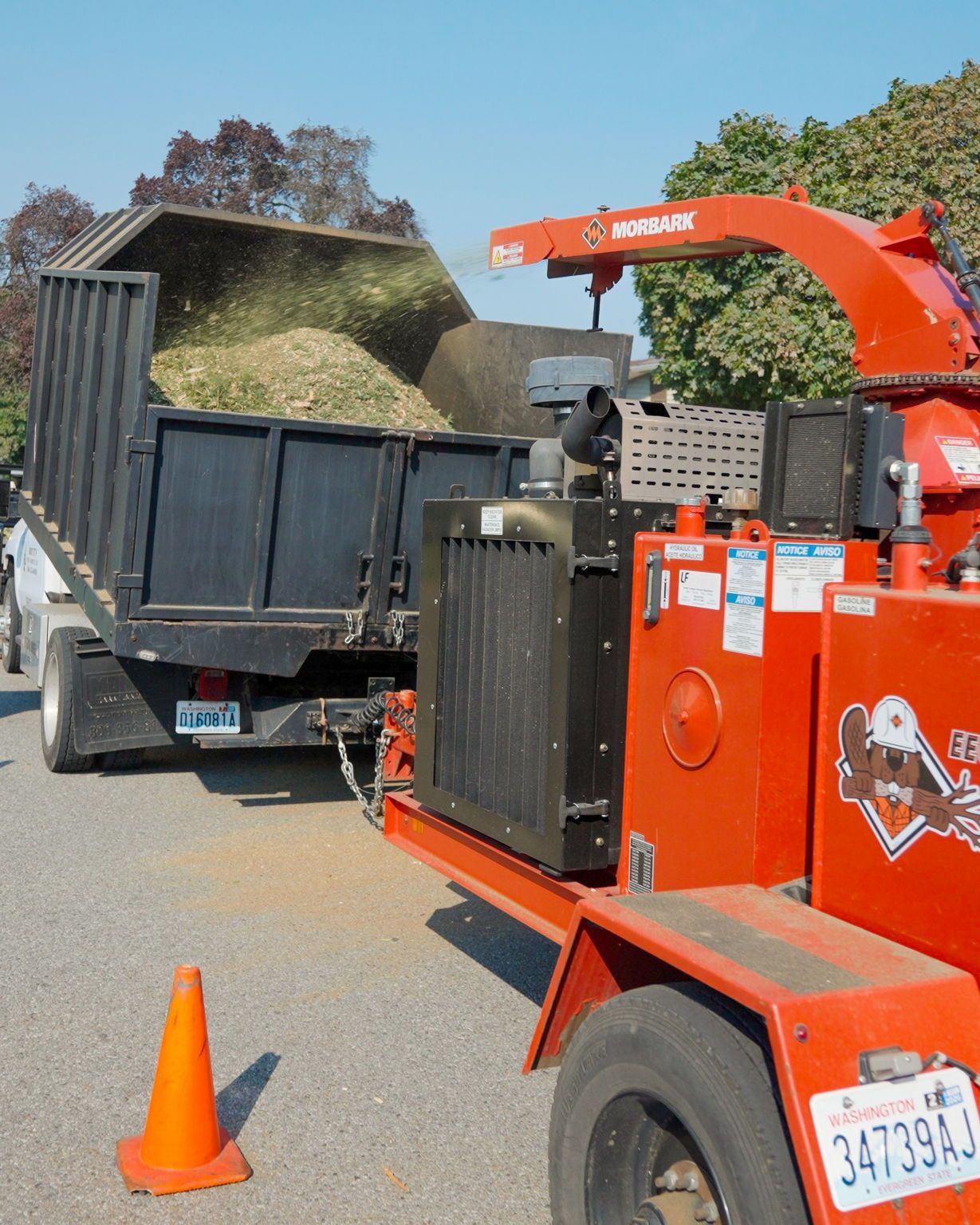
Specialized equipment like bucket trucks and cranes may be used for trees in tight spaces or near buildings. The goal is always to complete the job safely while minimizing disruption to your property. Crews trained in hazardous conditions understand how to adapt quickly when unexpected complications arise, such as hollow trunks or hidden decay pockets discovered during the removal process.
Does Greenacres Winter Weather Increase Hazardous Tree Risk?
Cold temperatures, ice accumulation, and heavy snow loads during Greenacres winters put extra stress on already weakened trees. Frozen ground can also mask root problems until a sudden thaw triggers failure.
Ice storms are particularly dangerous because they add significant weight to branches and canopy structures. Trees that appeared stable during summer months may snap or split when coated in a layer of ice. Species with brittle wood, such as silver maple and Bradford pear, are especially vulnerable during winter weather events in the Greenacres area.
Wind patterns coming through the Spokane Valley corridor can intensify during winter months, creating gusts strong enough to topple compromised trees. Scheduling a fall assessment gives you time to address potential hazards before the worst winter weather arrives. Removing a dangerous tree in controlled conditions during autumn is safer and less costly than dealing with an emergency collapse during a January ice storm.
Paying attention to your trees throughout the year and acting on warning signs before winter helps protect your Greenacres property from preventable damage.