Recognizing Early Warning Signs of Tree Failure in Spokane Valley, WA
Visible decay, sudden leaning, and exposed roots indicate structural instability that can lead to tree failure in Spokane Valley, WA. Homeowners who recognize these warning signs early prevent costly property damage and safety hazards through professional removal.
What Does Internal Decay Look Like on a Tree?
Internal decay often appears as hollow cavities, fungal growth, or soft, crumbling wood near the trunk base or major limbs.
Mushrooms or conks growing on the trunk signal active fungal infections that weaken internal wood structure. Woodpecker activity and sawdust piles near the base suggest insect infestations that accelerate decay.
Tapping the trunk with a mallet produces a hollow sound in decayed areas, while healthy wood sounds solid. Internal rot compromises load-bearing capacity, making trees prone to sudden collapse during wind or snow events.
How Much Lean Indicates a Dangerous Tree?
A sudden lean or a gradual tilt exceeding 15 degrees from vertical often signals root failure or structural imbalance requiring immediate attention.
Trees that lean toward structures, driveways, or high-traffic areas pose the greatest risk. Soil heaving or exposed roots on the opposite side of the lean indicate the root plate is lifting, a critical failure sign.
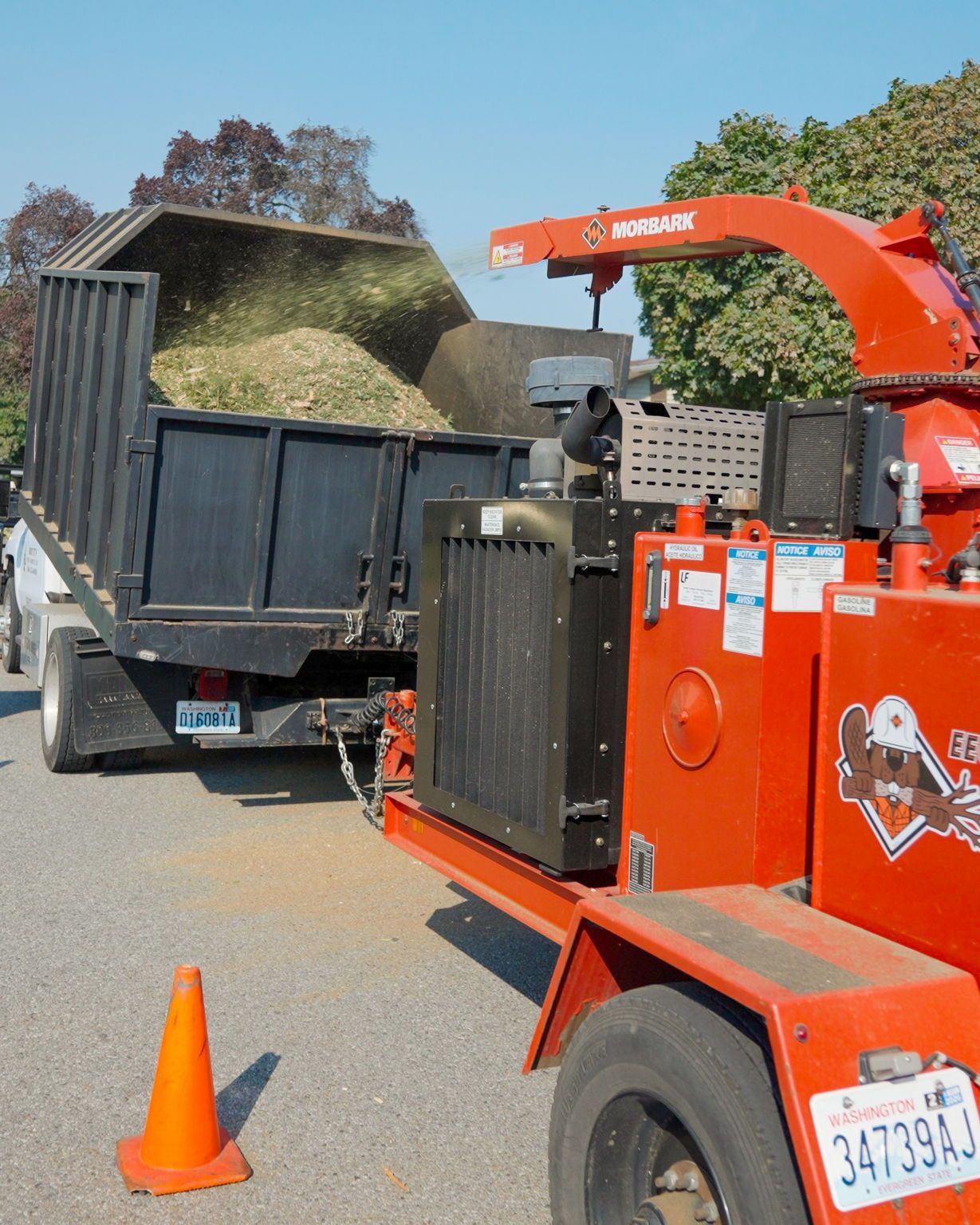
Residents searching for a local tree removal provider in Spokane Valley often discover that leaning trees require specialized rigging techniques to prevent property damage during removal. Certified arborists assess the angle, root stability, and surrounding hazards before planning safe extraction.
Can Root Damage Cause Tree Failure?
Severed, diseased, or compacted roots reduce anchorage and nutrient uptake, leading to instability and decline over time.
Construction activity, trenching, or soil grading within the root zone damages critical support structures. Girdling roots that wrap around the trunk restrict water flow and weaken the tree's foundation.
Visible root decay, fungal growth near the base, or sudden wilting despite adequate water indicate root system failure. Trees with compromised roots become unstable and may topple without warning, especially during storms or high winds.
Do Spokane Valley Properties Face Unique Tree Failure Risks?
Spokane Valley's clay-heavy soils and seasonal freeze-thaw cycles increase root instability and trunk stress in mature trees.
Rapid temperature swings cause bark splitting and frost cracks that invite decay organisms. Heavy spring snowmelt saturates soil, reducing root anchorage and making trees more susceptible to wind throw.
Older neighborhoods with large conifers and deciduous trees near homes face higher failure risks as trees age and structural defects accumulate. Regular inspections help homeowners identify problems before they escalate into emergencies.
Timely removal of unstable trees protects your Spokane Valley home and family. Brett's Tree Service offers professional assessments and safe removal services for hazardous trees.