Tackling Storm Damage Tree Removal in Spokane Valley, WA
Severe storms in Spokane Valley, WA can leave fallen branches and damaged trees that require fast, safe removal from trained professionals.
What Should You Do After a Storm Damages Your Trees?
Your first step after a storm is to stay away from downed trees, especially those near power lines or leaning against structures. Safety should always come before cleanup.
Once the immediate danger has passed, walk your property from a safe distance and note which trees are damaged, uprooted, or hanging. Take photos to document the situation for your insurance provider. Avoid using a chainsaw on trees that are under tension, because stored energy in bent trunks and tangled branches can release unpredictably.
Calling a professional tree service with around-the-clock availability gives you the fastest path to safe removal. Experienced crews arrive with the right equipment and training to handle unstable trees without creating additional hazards. Homeowners who need storm damage tree removal in Spokane Valley should prioritize companies that respond quickly and carry proper insurance.
Steps for Safe Post-Storm Tree Cleanup
Cleaning up after storm damage involves more than just cutting and hauling. A methodical approach protects both you and your remaining trees.
Professionals start by removing any trees or branches that threaten structures, vehicles, or walkways. They then assess partially damaged trees to determine whether pruning can restore them or whether full removal is necessary. Trees with split trunks or major limb loss often cannot recover and may become hazardous if left standing.
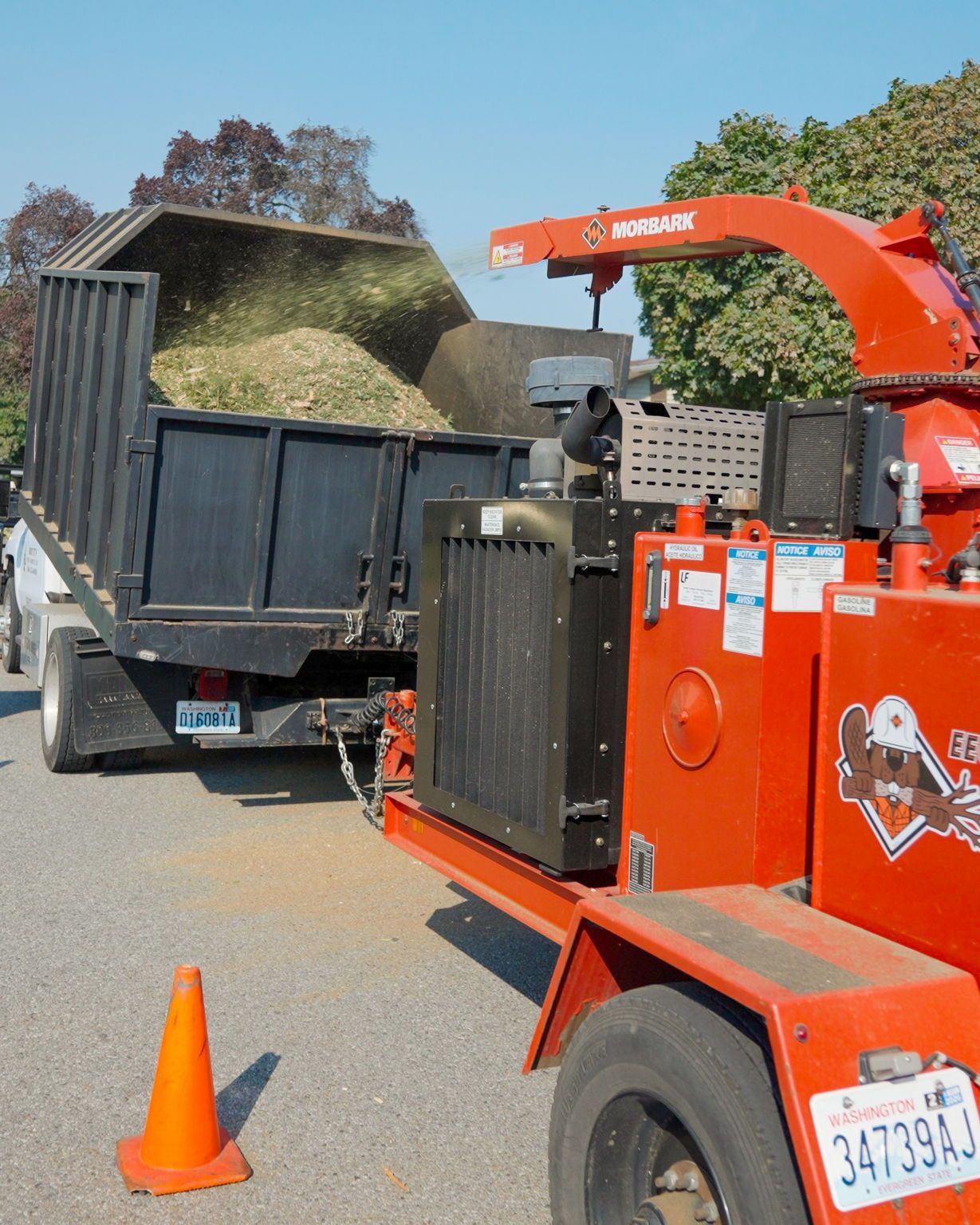
Debris removal and stump treatment come next. Leaving large root balls exposed or stumps in the ground can attract insects and create obstacles in your yard. Crews experienced with emergency tree services in Spokane Valley follow a systematic process that clears your property efficiently while protecting healthy trees nearby.
Can You Handle Storm-Damaged Trees on Your Own?
Small branches on the ground are manageable for most homeowners, but anything involving a ladder, chainsaw, or trees near power lines should be left to trained professionals.
Storm-damaged trees behave unpredictably. A trunk that appears intact may have internal cracks that cause it to fall during cutting. Branches caught in other trees, sometimes called widow-makers, can drop without warning. Working overhead with power tools adds another layer of risk that most property owners are not equipped to manage safely.
Insurance considerations also play a role in your decision. Professional removal services document the damage and provide detailed records that support your insurance claim. Attempting a removal yourself and causing additional property damage could complicate your coverage rather than save you money.
When Does Spokane Valley's Storm Season Create the Most Demand?
Late fall through early spring is the peak storm damage period in Spokane Valley, with November through February producing the heaviest demand for emergency tree services.
Windstorms in the fall knock down trees still holding their leaves, which act like sails and catch gusts more effectively than bare branches. Winter ice storms add weight to canopies, snapping limbs and splitting trunks. Spring thunderstorms with sudden downpours can saturate soil and loosen root systems, causing seemingly stable trees to topple without warning.
Scheduling a preventive assessment before storm season helps reduce your risk significantly. Removing dead wood and weak branches in late summer or early fall is far easier than dealing with a full emergency removal during a winter storm. Proactive care also helps your healthy trees withstand seasonal weather with less damage throughout the year.